A year or two ago, I started hearing the term “noblebright” fantasy. Other than a newer subgenre of fantasy, I didn’t know what it was, so I did some digging. It turns out that noblebright stories are filled with hope, characters fighting for a brighter future, and a world where good can triumph over evil.
Where Did This Genre Come From?
To understand noblebright, you first must understand its antithesis: grimdark. This term originally came from the tagline of the tabletop strategy game, Warhammer: “In the grim darkness of the far future, there is only war.”
This game inspired many sci-fi and fantasy books that fit into its world of action and war. And thus, a new subgenre–grimdark–was born. It solidified as a genre in the 2000s through the popularity of Joe Abercrombie and Mark Lawrence.
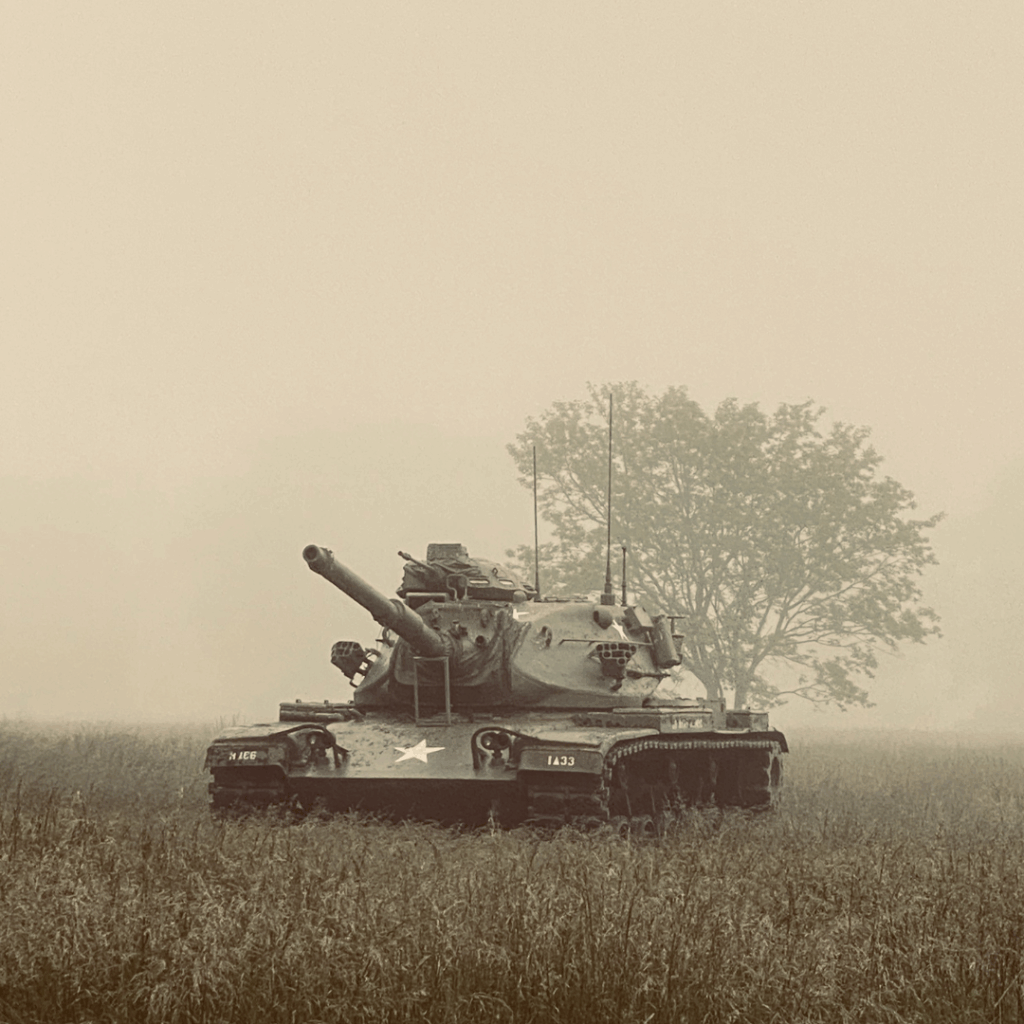
The Grimdark Magazine describes grimdark as: “Commonly used to describe works of fantasy or science fiction that are particularly violent, dystopian, or amoral.”
When thinking of grimdark, think of books where “might is right” and those with power rule. There is no hope, and hardly any happy endings. More recent grimdark books include The Poppy War by R.F. Kuang, the works of George R.R. Martin and Remote Control by Nnedi Okorafor.
The origin of noblebright fantasy is a little more difficult to pin down. In 2010 or 2011, some fans apparently became tired of the bleak world in Warhammer and made their own world called Brighthammer. Instead of grim war, the game became a high adventure in which the setting and tone are more hopeful, and the characters are generally more compassionate and heroic. Someone termed the new game “noblebright.”
Not long after this, a fellow author and reviewer called C.J. Brightley’s book, The King’s Sword, “cheerybright.” She finally settled on the term “noblebright,” and the term is slowly gaining more traction among readers and authors.
What is Noblebright Fantasy?
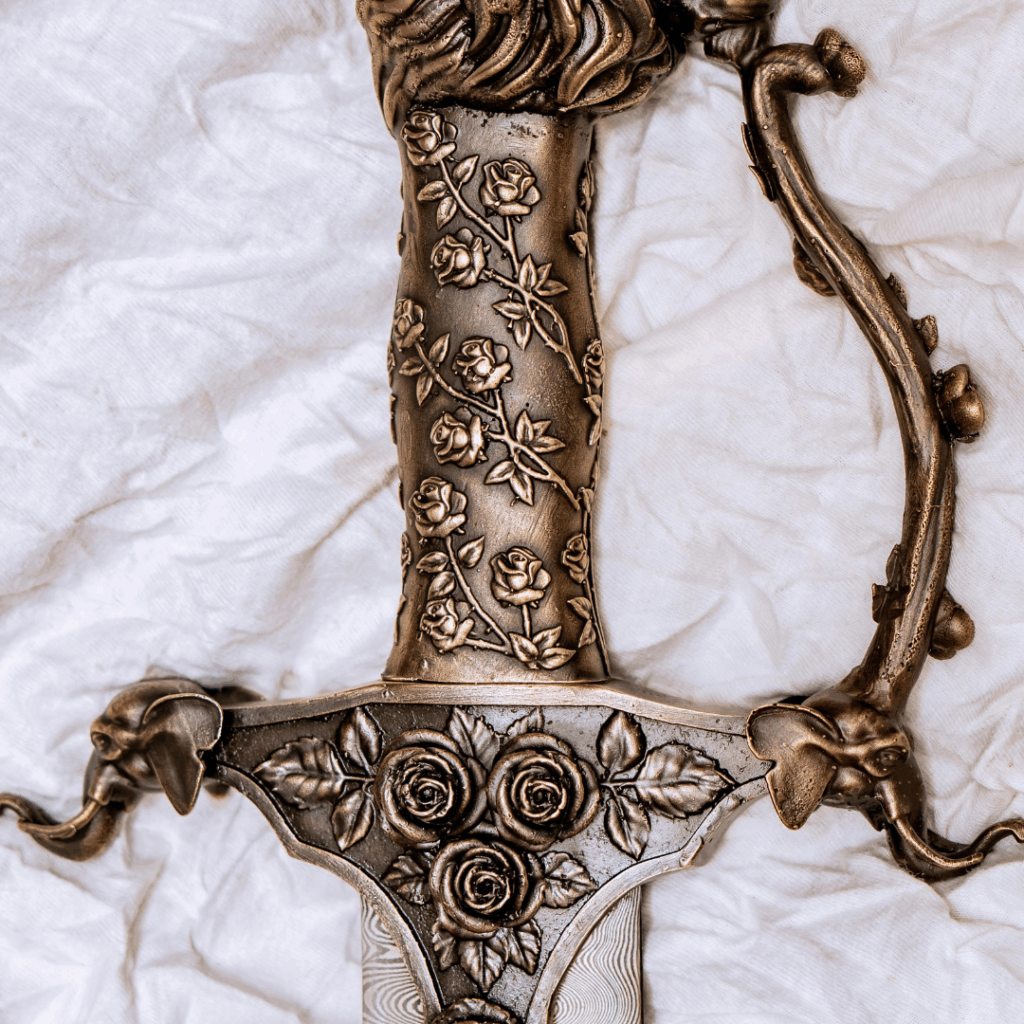
According to author C.J. Brightley, noblebright fantasy “has at least one important character with noble, idealistic motives who does the right thing out of principle.” This character is still flawed and can make mistakes, but they generally act with honesty, integrity, and sacrifice. Think of Frodo, Sam, or Gandalf in The Lord of the Rings, which is the blueprint for noblebright fantasy.
This subgenre is not utopia fiction; plenty of grim and terrible things can happen in these stories (think of Sam and Frodo making their way to Mt. Doom!). However, in the midst of that horror and darkness, unlike in grimdark, there is hope. Hope that life can get better, that good can triumph over evil, that our actions–however small–can make a difference.
Key Characteristics of Noblebright Fantasy
The definition is still fairly loose, and authors/readers will define the subgenre differently, but typically, noblebright fantasy contains:
- Heroic, noble characters
- A Quest
- Characters Fighting for a Better Future
- Hope
- Good Triumphing Over Evil
- Happy Endings
Noblebright Fantasy Vs. Other Genres
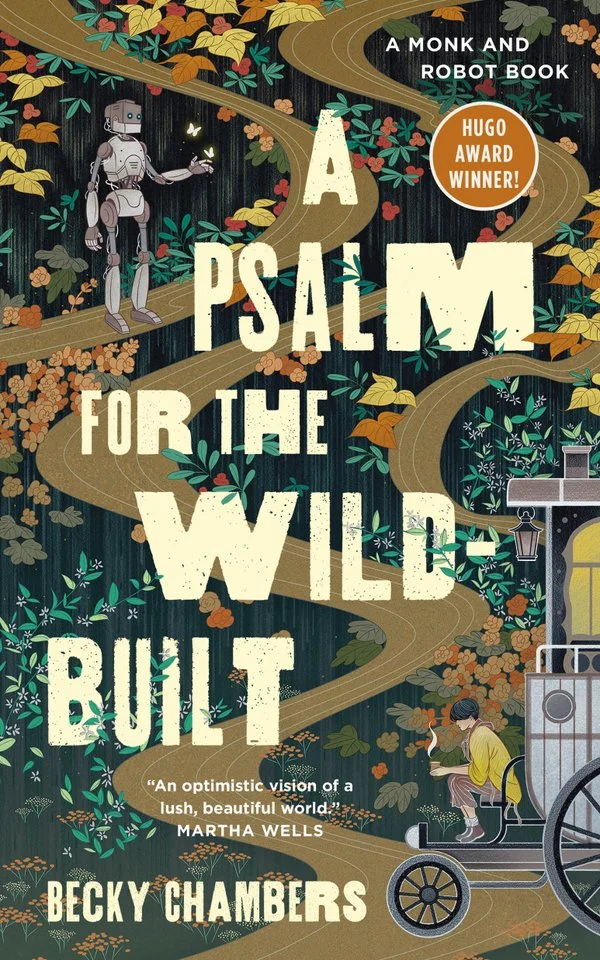
Hopepunk: In 2017, fantasy author Alexandra Rowland proposed the term “hopepunk” as a way to push back against the cynicism and bleakness found in grimdark. Hopepunk and noblebright possess similar themes like hope, moral courage, and that small deeds matter.
However, hopepunk, like most “punk” stories, focuses on overcoming some kind of system and uses hope, optimism, and community as a weapon. Noblebright, however, has one main noble/heroic character rather than a community, and emphasizes worlds where goodness and kindness are worth fighting for, not necessarily as a weapon. Hopepunk also usually falls more in sci-fi than fantasy.
Some hopepunk books include: A Psalm for the Wild Built by Becky Chambers, The Goblin Emperor by Katherine Addison, and Station Eleven by Emily St. John Mandel.
Cozy Fantasy contains low stakes and small settings. The main character generally doesn’t travel very far. Noblebright fantasy is set under the broader genre of epic fantasy, where a hero sets out a quest to save her people/town/country. The stakes are much higher, and cozy fantasy doesn’t often include hard things like death that Noblebright fantasy does. They both have happy endings though!
Epic Fantasy: All noblebright fantasy is epic fantasy, but not all epic fantasy is noblebright. Get it? 😂 All noblebright stories feature some kind of hero going on a quest of some kind. However, some epic fantasy stories can feature tragic endings (I’m looking at you, Sanderson), a more bleak worldview, and morally grey characters. So it really depends on the book whether it’s a noblebright epic fantasy or just an epic fantasy.
Clean Fantasy: Like epic fantasy, clean fantasy is a broader genre that can include other fantasy subgenres like noblebright, cozy, romantasy, etc. Clean fantasy is a fantasy book that doesn’t include sex, gore, violence, or cussing. Basically, it’s a book that you can recommend to a twelve-year-old without batting an eye (or freaking their parents out). Noblebright fantasy books may or may not be clean, depending on how much of these things they contain and one’s definition of “clean.”
For example, my duology, The Gift of Dragons, is both a clean fantasy that’s also noblebright because it has only minor violence, one kiss, no bad words, and it features a noble character who’s trying to do what’s right for his people.
Noblebright Fantasy is Right for You If:
- You crave characters you can root for and even idolize
- You want to see good defeat evil
- You’re feeling depressed with all the hard news in the world right now
- You enjoy Lord of the Rings
- You want an epic story filled with hope where small deeds matter
- You’re weary of dark, violent stories
Check out These Noblebright Fantasy Books
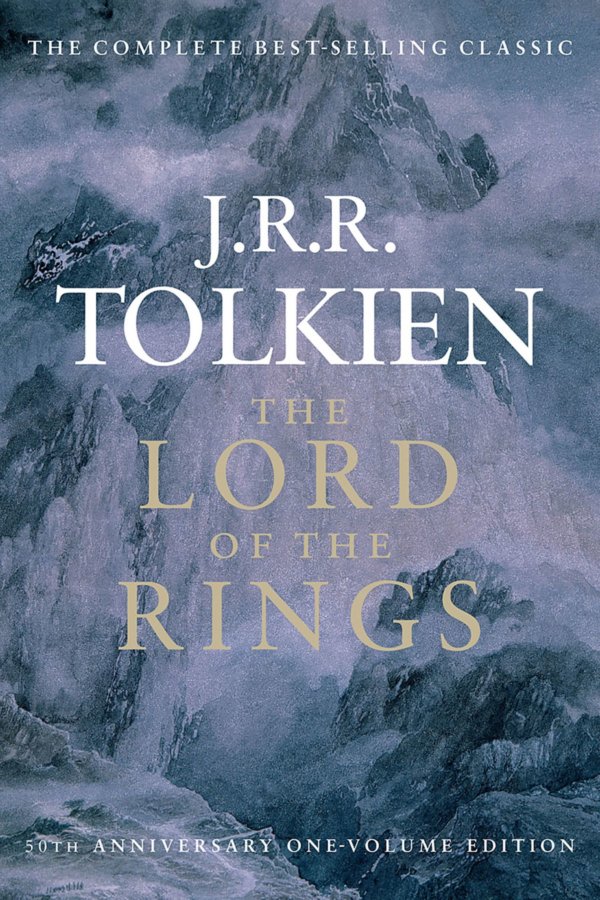
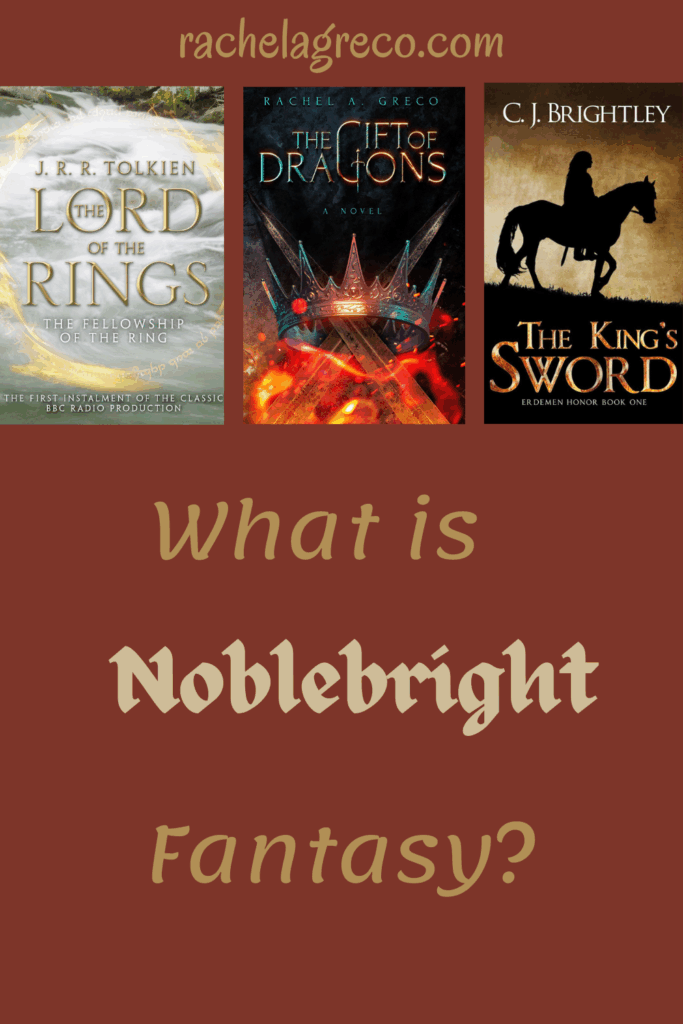
The Lord of the Rings by J.R.R. Tolkien
This series is quintessentially noblebright fantasy. There are several characters who are doing what’s right because of their deeply held beliefs: Gandalf, Frodo, Aragorn. Even though there’s plenty of darkness and at times hope feels lost, the characters never give up, and ultimately good triumphs over evil.
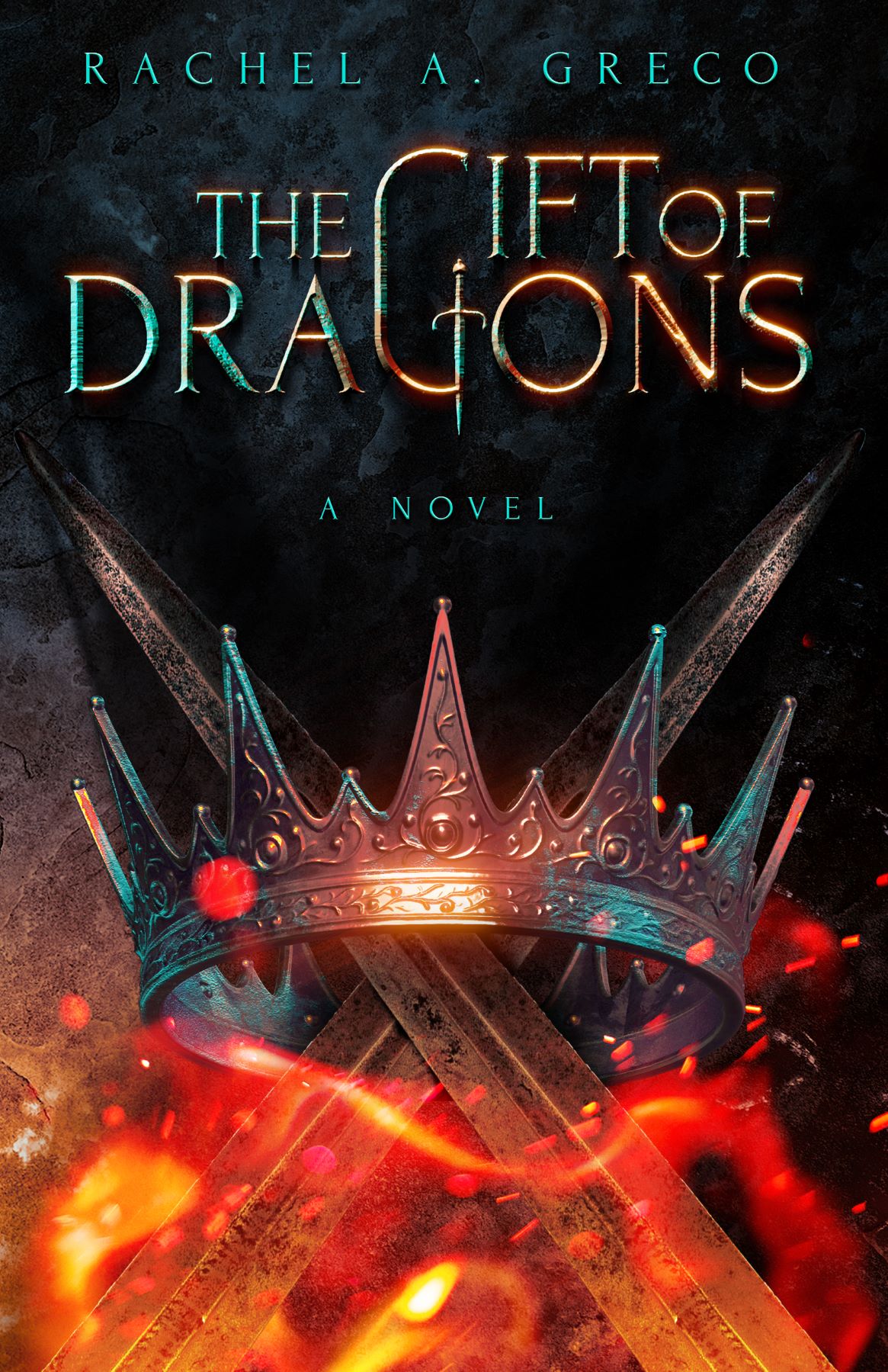
The Gift of Dragons by Rachel A. Greco
My YA Dragon fantasy is all about rebellions and dragons with a dash of romance. When the prince Adelaide seeks to overthrow tries convincing her that the legendary dragons exist and need help, Adelaide must decide where her true allegiance lies before the kingdom shatters.
Adelaide’s not necessarily a noblebright character because of her mixed motivations, but she’s worth rooting for. And Prince Elias’ motives are nothing but pure and noble.
“This was a wonderfully written and fast paced fantasy for any YA fiction reader. If you love dragons and rebellious battles, this book is definitely for you!” -Praise from a reader
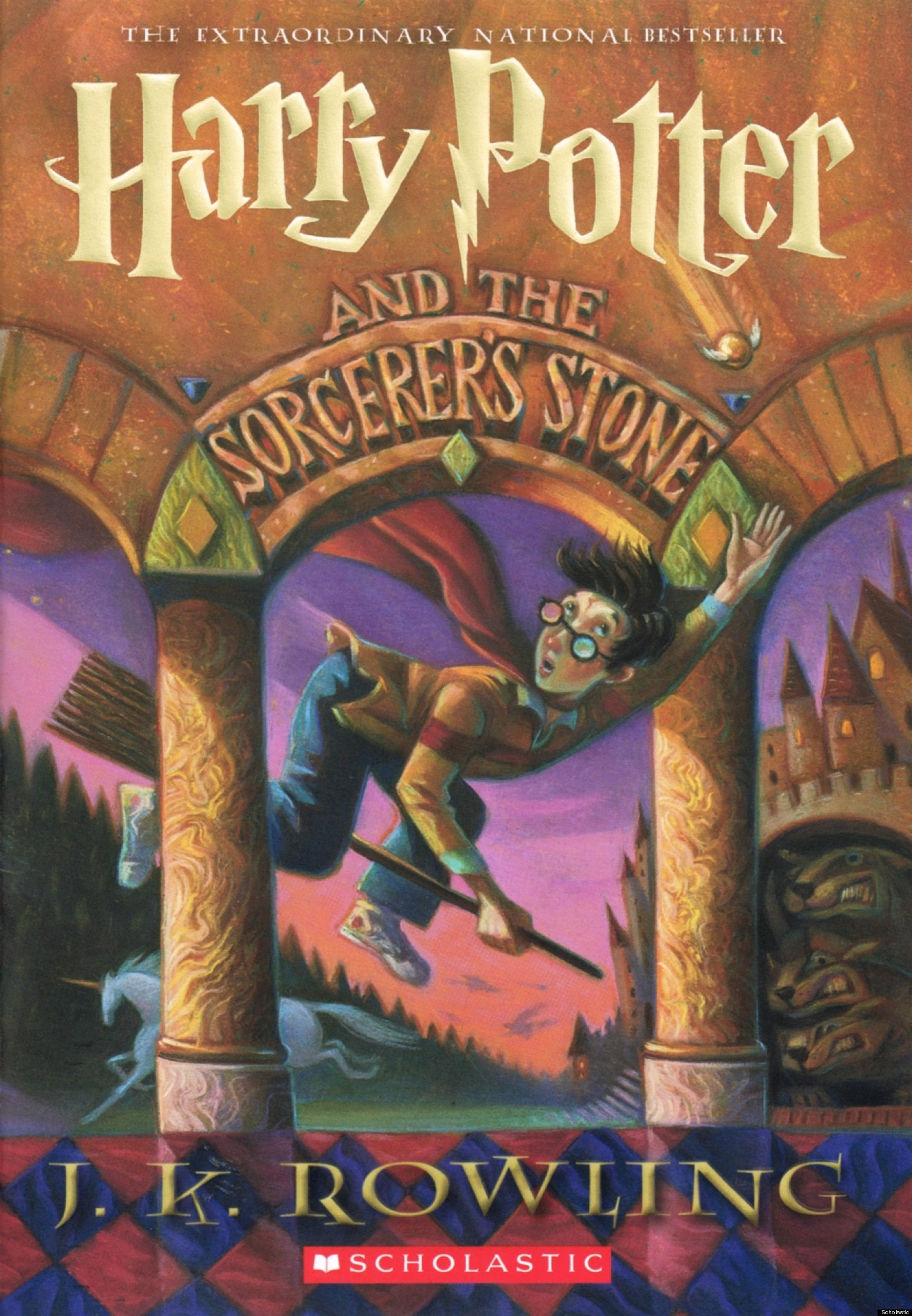
Harry Potter and the Sorcerer’s Stone by J.K. Rowling
Harry Potter’s pretty noble: he’s willing to sacrifice to find out the truth about the evil lurking Hogwarts in every book. A classic noblebright fantasy book where good triumphs over evil with plenty of lighthearted moments!
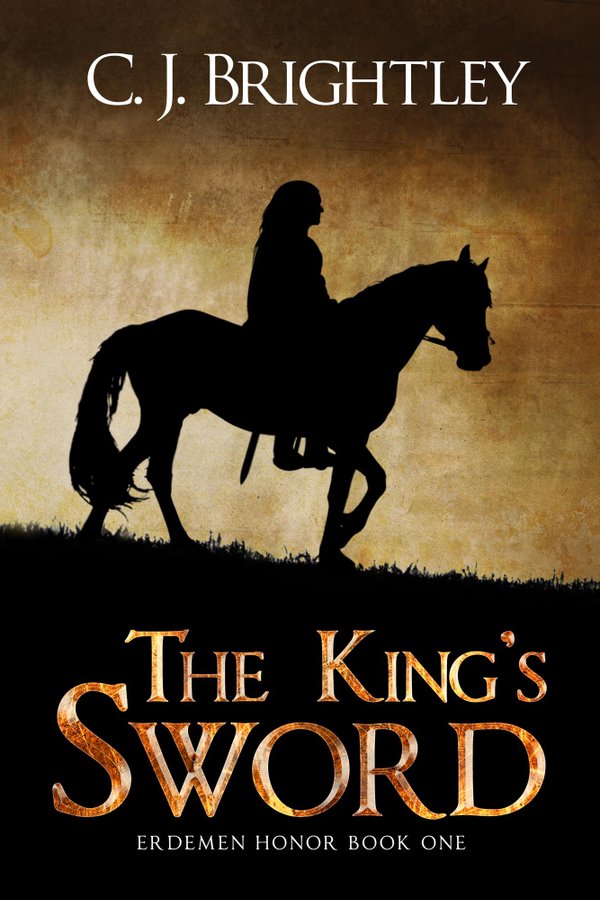
The King’s Sword by C.J. Brightley
Retired soldier Kemen Sendoa lost everything in the skirmish that nearly killed him. Except his honor.
Now he wants nothing more than to be left alone. Yet when he finds the young prince Hakan fleeing assassins, he reluctantly takes the role of mentor and guardian. Keeping the prince alive is challenging enough. Making him a man is harder.
What do you prefer? Noblebright or grimdark?